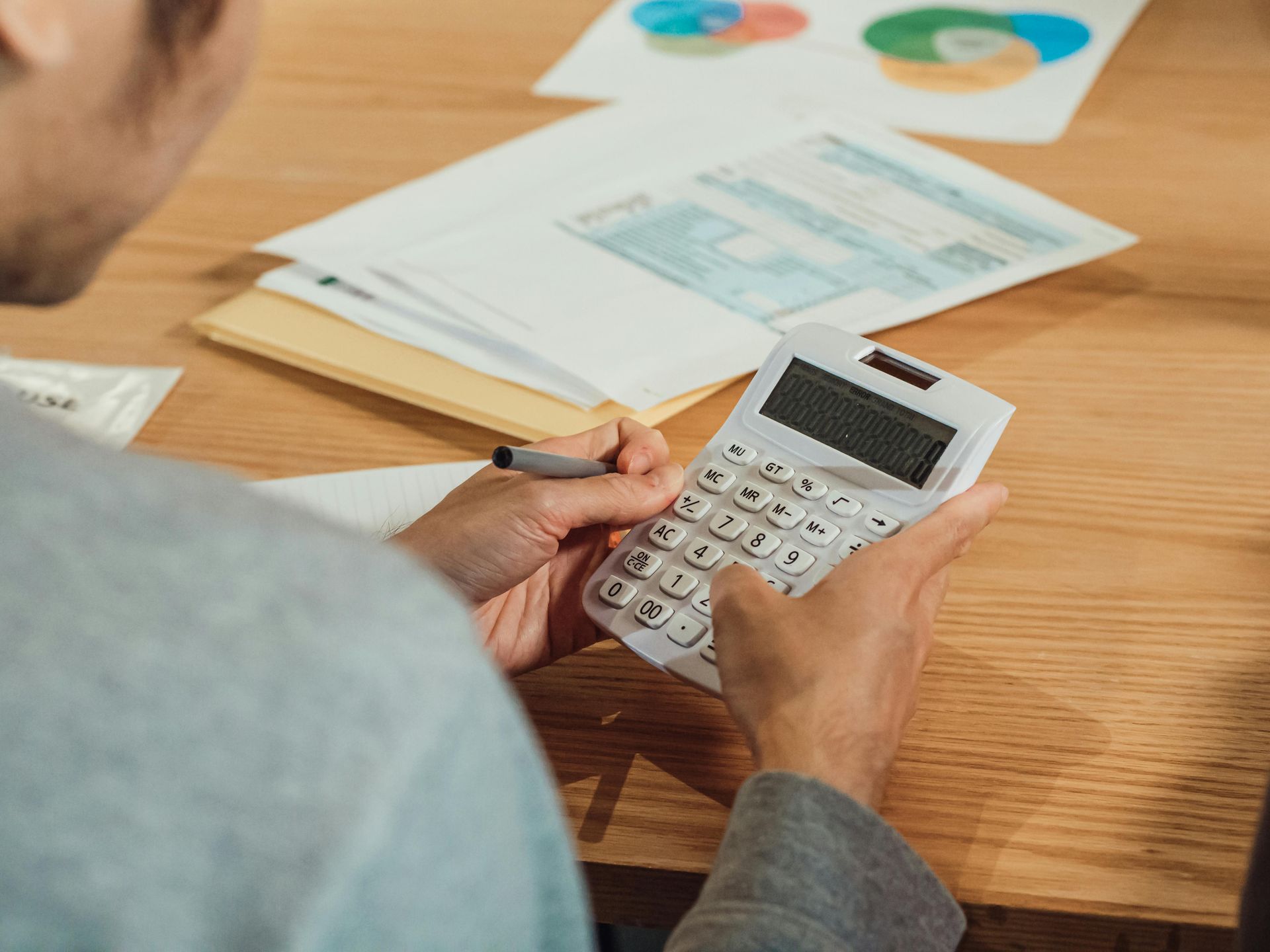

Common Expense Management Mistakes and How to Avoid Them
Common Expense Management Mistakes and How to Avoid Them
Expenses. They're an exciting part of being a contractor, knowing you can claim allowable expenses on a lot of the things you buy for your business. But, they also fill a lot of contractors with a sense of dread. Though beneficial, they can be complicated, especially if you don't know how to manage them. It's not simply a case of spending and spending, and then hoping everything will sort itself out at the end. There are rules to follow. If you want to claim allowable expenses as a sole trader or a limited company contractor, you need to prioritise expense management.
At Go Limited, we know that expense management doesn't come easily to everyone. Though there are some contractors that enjoy the financial and admin side of contracting, not everyone does, which means expense management often goes wrong. Below, we've taken a look at the common expense management mistakes contractors make, and how to avoid them.

Understanding Tax Deductible Expenses for a Limited Company
When you contract through a limited company, you have to follow a number of strict rules and regulations in relation to claiming tax-deductible expenses. You can't simply claim for anything you buy, as HMRC only allows expenses that are "wholly and exclusively" for your business. This means the expense must be directly linked to your work, it can't have any personal benefit and it should be necessary for you to carry out your obligations as a contractor. Otherwise, it's unlikely that you'll be able to successfully claim the expense as being tax-deductible.
There's a whole host of common tax-deductible expenses for limited companies, ranging from accountancy fees and legal advice, to insurance, software, laptops, cloud subscriptions, training and internet costs. But, not everything is allowed. You can't claim everyday clothing as a tax-deductible expense, nor can you claim the cost of commuting between home and a regular workplace, client entertainment, personal gifts and items that are for your personal benefit. This is why it's so important to understand how to navigate expense management; you don't want to claim for something you shouldn't, or forget to claim for something you should.
How Does Claiming Expenses as a Limited Company Work?
When you're a sole trader, the expenses you want to claim are usually recorded in the Self-Assessment Tax Return that you file at the end of the year, and deducted from your total income to calculate taxable profit. But, as a limited company contractor, you need to record your expenses as part of your company accounts. Your business then pays Corporation Tax on its profits after allowable expenses are deducted.
The Right Way to Handle Limited Company Expenses
Though managing limited company expenses can be time-consuming and daunting, it's not something to take lightly. If you want to avoid expense management mistakes, you need to know what good expense management looks like. Here are some of the easiest ways to simplify limited company expense management:
Pay for all of your business costs through your limited company account wherever possible. This makes it a lot easier to know what's been spent, why and when.
Keep every receipt and invoice, to show what you've spent. HMRC accepts digital copies, so you don't need to have a box of random recipes sitting in your office for months at a time.
If you do use personal funds for business expenses, make sure to reimburse yourself. For example, if you're going to a client's site and you pay for a train ticket personally, submit an expense claim to your limited company and pay yourself back.
Use accounting software to record all expenses accurately. Many of the popular accounting systems integrate receipt scanning and expense categorisation to simplify things.
Avoid These Pitfalls: Limited Company Allowable Expenses
You might be a long-time contractor, with a lot of experience with expenses. You might be someone who takes administration and paperwork seriously. You might be a financial whizz who finds keeping on top of expenses a breeze.
It doesn't matter, you can still make mistakes. Even the most careful contractors can slip up on allowable expenses, causing themselves a lot of stress. But, there are things you can do to avoid the common pitfalls and keep things running smoothly.
Mixing Business and Personal Spending
Using the same card or account for both business and personal purchases makes record keeping a nightmare. You're causing yourself an admin headache unnecessarily. You're at risk of missing an expense you should be claiming, or claiming for something you shouldn't be. HMRC may even question expenses that appear personal, even if they're legitimate. This is why it's important to have a separate business bank account and business debit card.
Forgetting to Log Mileage
Mileage is one of the most commonly under-claimed expenses but, if you drive to visit client sites, it's something you need to keep track of. HMRC dictates what mileage you can claim and currently can claim 45p per mile for the first 10,000 business miles, and 25p per mile thereafter. But to claim successfully, you need to keep a mileage log showing the date, destination, reason for travel and number of miles driven.
Failing to Retain Receipts
A missing receipt means no proof of expenditure, and HMRC can disallow the claim. Digital storage makes it easy. All you need to do is scan or photograph receipts as soon as you receive them, and then store digital copies in your accounting software or a secure cloud folder.
Claiming Non-Allowable Items
Client gifts, personal meals and leisure travel often end up mistakenly claimed as business costs, even though they're not allowable. HMRC treats these as "benefits in kind" or disallows them entirely. If an expense has any personal element, it's best to be cautious and exclude it, just in case you've misunderstood.
Ignoring Small Costs
Small, regular payments - such as web hosting, software tools or domain renewals - can easily be overlooked, but they are fully deductible. There might not be much to claim for one or too small costs, but they quickly add up. Review your business bank statements quarterly to ensure you're not missing any allowable recurring charges. You don't want to miss out on expenses you can rightfully, legally claim, regardless of how small they are.
Business Expenses for a Limited Company Often Overlooked
There are a lot of expenses you can claim, so it's understandable that some get forgotten about. A lot of contractors make the mistake of focusing on the big costs, the obvious expenses and forget about the smaller, less obvious ones.
Are You Overlooking These Limited Company Expenses?
- Bank charges and interest on business loans or overdrafts.
- Postage and stationery; even small items like printer ink or envelopes count.
- Professional subscriptions to trade bodies or institutes relevant to your work.
- Advertising and marketing costs, including website hosting, social media ads and online campaigns.
- Use of home as an office, based on either flat rates or a fair apportionment of household costs.
- Training courses that update existing skills or maintain professional qualifications.
- Employer pension contributions, made directly from your limited company.
It's a good idea to review your business' spending every few months with your accountant. Who knows, you might uncover hundreds of pounds in unclaimed expenses.
Entertainment Expenses Limited Company: What Are The Rules?
Entertainment is one of the trickiest areas for contractors, and it's where a lot of expense management mistakes happen. Many contractors assume that taking clients out for lunch or drinks is deductible, but that's not the case. HMRC doesn't allow a Corporation Tax deduction for entertaining clients or potential clients. This includes meals, hospitality, event tickets and gifts. Even if the entertainment is strictly for business purposes, you can't claim the cost as an allowable expense or reclaim the VAT.
However, entertainment provided for employees - such as staff parties, team building events or staff meals - can be allowable, as long as it meets HMRC's conditions. You need to keep a record of the reason for the expense, who attended, how much was spent and where. There are also limits on how much you can spend per employee.
Getting expenses wrong can lead to unnecessary tax bills, HMRC stress and even penalties, which you don't want. But, getting them right can save you thousands of pounds and keep your accounts in pristine order. At Go Limited, we encourage contractors to stay organised, use technology and seek expert advice if you're struggling to manage things. Whether you're a sole trader or running a limited company, a disciplined and transparent approach to expenses management is key.

FAQ: Common Expense Mistakes and How to Avoid Them
1. What are the most common expense mistakes contractors make?
Typical errors include claiming personal expenses as business costs, losing receipts, not tracking mileage accurately, and failing to record expenses in real time. Mixing personal and business transactions is also a frequent issue.
2. Can I claim expenses without receipts?
In most cases, no. HMRC requires evidence for all claims. Digital copies of receipts are acceptable, but estimates or missing proof can lead to disallowed expenses or penalties if audited.
3. Why is it important to separate business and personal expenses?
Keeping accounts separate helps maintain accurate records and simplifies tax returns. Using one account for both can create confusion, increase accounting costs, and raise red flags with HMRC.
4. What happens if I accidentally claim a personal expense?
If it's identified during your bookkeeping, it should be corrected immediately. If HMRC finds it during an audit, you could face tax adjustments, interest charges, or penalties.
5. How can I avoid missing deductible expenses?
Keep digital records, use expense-tracking apps, and review common allowable expenses regularly (such as travel, equipment, and professional fees). Working with an accountant also helps ensure nothing is missed.
6. Are meals and entertainment expenses allowable?
Meals are only claimable when incurred during business travel. Entertainment, including client hospitality, is usually not tax-deductible.
7. How often should I review my expense records?
Ideally, update and review your expenses weekly or at least monthly. Regular checks reduce errors and make year-end accounting smoother.
8. Do I need to keep old expense records?
Yes. HMRC requires you to keep records for at least six years. This applies to receipts, invoices, and any digital copies or accounting records.
9. Can software help prevent expense mistakes?
Yes. Accounting tools such as FreeAgent, Xero, or QuickBooks can automate tracking, categorisation, and receipt storage, helping you stay compliant and organised.
10. What's the best way to ensure I'm claiming correctly?
Follow HMRC's expense rules, keep accurate records, and consult a qualified accountant who specialises in contractors or limited companies.
Important:
Please note: Any rates and thresholds mentioned in this article are correct at the time of publishing and may be subject to change.
When choosing an accountant, look for one with proven experience and expertise in the contracting sector, particularly around areas like IR35, limited company tax matters and off-payroll working. Formal qualifications are important, but relevant hands-on knowledge matters just as much — especially in a complex and fast-changing landscape like this.